
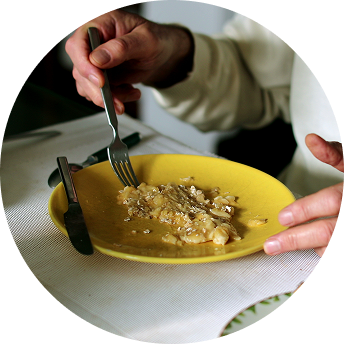
Middle-stage Alzheimer's disease and related dementias (ADRD) is often the longest stage and can last for many years. A person may have trouble focusing on or remembering things, especially from the past. Mood changes are common. It may become harder to plan, stay organized, make decisions and do everyday tasks.
As ADRD progresses, it can affect thinking, actions and movement. Mealtimes may become harder. A person may refuse food, struggle with simple tasks or feel confused, even in places they know well. Care partners can help make meals feel calm and safe.
What to Expect for Nutrition, Mealtimes and Shopping
-
Changes in eating habits and awareness


Change eating habits
- Forgetting if a meal has already been eaten
- Skipping meals
- Eating more than once
- Less ability to notice hunger, food or beverages and to eat or drink without help
-
Difficulties with eating
Difficulties eating
- Trouble recognizing familiar foods
- Not knowing how to begin a meal, use utensils, or how to chew or swallow
-
Changes in appetite, taste and behavior
Changes in appetite
- Refusing food or spitting it out
- Snacking often, especially craving sweets
- Eating more slowly
- Feeling tired, frustrated or upset during meals, or losing interest before the meal is done
-
More sensitivity to the environment
More sensitivity
- Noise, lighting or television can be distracting. Too much noise or activity may cause the person to feel overwhelmed or pull away.
-
Challenges with food shopping
food shopping
- Having a hard time remembering shopping lists or navigating busy stores
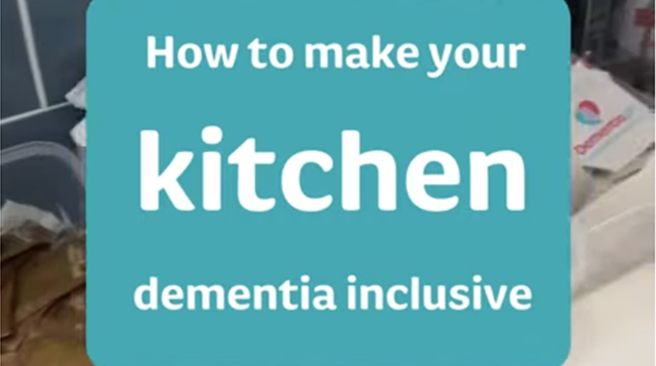
WATCH
How to make your kitchen dementia inclusive
Source: Dementia UK
What to Try
-
Go to regular screenings
Mid regular screening
- Attend regular visits to look for problems like poor nutrition, dehydration, trouble swallowing (called dysphagia) and weight loss.
- Ask about check-ups and support from health care providers such as neurologists or general practitioners, allied health care providers (like registered dieticians or speech-language pathologists), local Area Agencies on Aging or dementia navigators.
- If you have questions about your condition or treatment, talk with your doctor.
-
Focus on nourishment, not perfection
Mid Focus nourishment
- Help the person eat enough by offering foods they like and recognize.
- Use fortified options when needed and stay flexible, even if choices are not usually seen as “healthy”. This includes adding milk powder, grated cheese, cream, butter or protein powders.
-
Adjust foods for safety and comfort
foods for safety
- Cut, mince or purée foods and thicken liquids as needed.
- Offer bite-sized and finger foods.
- Use adapted utensils and tableware for independence and safety.
-
Offer smaller, more frequent meals
Offer smaller
- Provide 5–6 meals or snacks during the day.
- Offer a mix of foods and drinks to help appetite and increase fluids.
- Use visual cues and simple supports.
-
Use visual cues and simple supports
visual cues
- Add clear labels or pictures in the kitchen.
- Give visual reminders to drink fluids.
- Use simple written or picture lists for shopping.
-
Create calm mealtimes
calm mealtimes
- Turn off TVs, reduce noise, use soft lighting and allow plenty of time to eat.
- Eat together when possible.
-
Plan for shopping and dining
Plan for shopping
- Choose stores you know with simple layouts.
- Shop when stores are less busy.
- Order groceries for home delivery.
- Visit the same restaurants.
- Call ahead to book a table and ask for quieter seating.
-
Keep simple routines and get help as needed
get help
- Eat meals and snacks at the same time daily.
- Serve the same familiar meals.
- Give plenty of time to eat. It may take up to an hour to finish meals.
- Watch closely and offer help when needed.
-
Try safer ways to cook
Try safer ways
- Make the kitchen safer and more supportive by using helpful tools like protective gloves, steady cutting boards and food scissors.
- Clear away clutter and limit distractions. Label appliances, use automatic shut-off devices and add simple visual reminders while cooking.
WATCH
Cooking With Dementia
Source: Brenda Roberts
Visit these resources for more helpful information
Caring for the Care Partner
As ADRD progresses, caring for your loved one can become more hands-on. It can feel emotional and tiring. You may spend more time helping with meals and changing routines, but make time for yourself. Try these self-care tips:
Don’t skip meals
- Eating without a routine or relying on convenience foods can make you tired and stressed
Choose simple, healthy meals
- Try making dishes that are easy to prepare and enjoy alongside your loved one
Make time to connect
- Protect shared mealtimes as time to be together, even if meals look different than they used to
Let go of “perfect” meals
- Focus on health and consistency for both of you
Seek support
- Seek guidance to manage your own health while caring for your loved one

Why this matters
Care partners can feel very tired and may not eat well. Taking care of your own meals and keeping simple routines can help you feel better. It also helps you stay strong so you can care for your loved one.
Brought to you by Magnolia - Partners Along The Patient Journey, in collaboration with: